Introduction
Wound care is a crucial aspect of nursing and clinical method that demands a high level of knowledge, specifically when dealing with complex and chronic injuries. With the rise of conditions such as diabetes mellitus and vascular illness, the need for specialized injury care has never been much more important. This short article digs deep into sophisticated methods in complex wound care, focusing on training understandings for medical care professionals. It covers various aspects, including wound care specialist training, nursing wound care training, and administration strategies for chronic wounds.
The journey towards becoming a competent injury treatment expert includes extensive education and learning and functional experience. This write-up wound care training for nurses aims to give not only comprehensive understandings into the approaches and practices of advanced wound care yet also highlights the value of continual knowing through numerous wound care training courses.
Understanding Complex Wounds
What Are Complex Wounds?
Complex wounds are defined as those that do not recover correctly or within an expected duration. They usually develop from various elements consisting of underlying health and wellness conditions, inadequate circulation, or infections. Unlike acute injuries that normally heal within weeks, complicated wounds can continue for months or perhaps years if not handled correctly.
Types of Complicated Wounds
Diabetic Ulcers
Triggered by prolonged high blood sugar levels influencing blood circulation and nerve function.
Venous Ulcers
Resulting from incorrect functioning of venous shutoffs in the legs, bring about pooling of blood.
Pressure Ulcers
Usually described as bedsores; they create due to long term stress on the skin.
Arterial Ulcers
Triggered by insufficient blood flow to tissues as a result of tightened arteries.
Challenges in Taking care of Facility Wounds
Managing complicated injuries presents unique challenges:
- Infection Control: Keeping the wound without infection while promoting healing. Pain Administration: Lots of clients experience significant discomfort connected with their wounds. Nutritional Assistance: Ensuring that clients receive sufficient nutrition to promote healing.
Wound Treatment Specialist Training
Importance of Specialized Training
Wound care requires specialized understanding and skills that exceed fundamental nursing education and learning. A comprehensive understanding of anatomy, physiology, and the healing process is crucial for reliable treatment.
Components of Injury Treatment Expert Training
Anatomy and Physiology- Understanding skin layers and their functions.
- Differentiating between severe and chronic wounds.
- Learning just how to do detailed assessments.
- Studying stages of injury recovery (hemostasis, swelling, expansion, renovating).
- Familiarizing oneself with dressings, medicines, and progressed therapies like adverse pressure injury therapy (NPWT).
Wound Treatment Training for Nurses
Why Nurses Required Specialized Wound Care Training?
Nurses play a crucial role in managing patient wounds properly. Specialized training equips them with required skills to evaluate wounds accurately and implement efficient treatment plans.
Core Topics in Nursing Wound Treatment Training
Assessment Skills
Training registered nurses to recognize signs of infection or complications.
Dressing Selection
Understanding which dressings are suitable for different types of wounds.
Patient Education
Teaching individuals regarding correct injury treatment at home.
Documentation Practices
Learning just how to document assessments and treatments accurately.
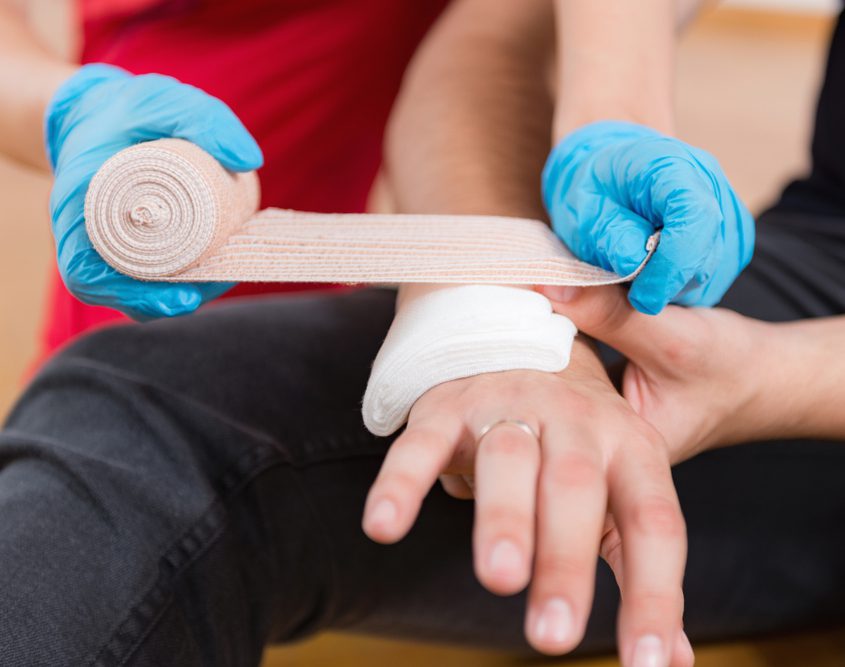
Wound Care Training Courses Available
Overview of Readily available Courses
There are various courses available ranging from basic wound care training to sophisticated expert programs focused on knowledgeable health care experts seeking to deepen their expertise.
Basic Wound Treatment Training
- Designed for entry-level medical care providers. Covers essential concepts such as makeup, kinds of injuries, and basic clothing techniques.
Advanced Injury Care Qualification Programs
- Targeted at experienced registered nurses who desire to specialize further. Includes topics like NPWT, bioengineered cells, and multidisciplinary strategies to wound management.
Nursing Wound Care Training: Secret Focus Areas
1. Assessment Techniques
Accurate evaluation is vital in establishing the suitable treatment prepare for complicated wounds.
A Step-by-Step Overview:
Inspect the injury dimension making use of standard methods (e.g., measuring devices). Evaluate bordering cells condition. Assess for signs of infection (inflammation, warm). Document searchings for thoroughly for future reference.2. Evidence-Based Therapy Protocols
Using evidence-based techniques guarantees that nurses employ tested approaches in treating complex wounds effectively.
Example Therapy Method:
|Treatment Approach|Indication|| ------------------------|-------------------------------------------------|| Hydrocolloid Dressings|For non-infected shallow abscess|| Alginate Dressings|For moderate-to-heavy exudate|| Antimicrobial Dressings|For contaminated or at-risk areas|
Chronic Wound Care Management Strategies
1. Multidisciplinary Approach
Involving a group making up medical professionals, registered nurses, dietitians, physiotherapists helps supply comprehensive treatment customized to specific person needs.
Benefits Include:
- Holistic person assessment. Coordinated therapy plans. Improved person end results through joint effort.
2. Patient-Centric Education
Empowering individuals with expertise about their conditions can boost engagement in self-care techniques which may cause far better recovery outcomes.
Educational Methods:
- Provide easy-to-understand product regarding their condition. Conduct workshops discussing best practices in home care. Encourage concerns regarding medications or lifestyle changes related to healing processes.
NDIS Wound Treatment Considerations
The National Impairment Insurance coverage System (NDIS) addresses certain demands associated with special needs support consisting of complex wound management techniques customized for people requiring continuous assistance with their wellness needs.
Importance in NDIS:
Accessing specialized solutions can significantly enhance healing outcomes. Tailored assistance plans guarantee that individuals obtain individualized interest throughout their recuperation journey. Ongoing education and learning pertaining to self-management promotes independence among customers gaining from NDIS services.Advanced Strategies in Complex Wound Care: Arising Trends
As innovation advances so does the field of wound monitoring-- cutting-edge items continue reshaping standard techniques while additionally enhancing recovery processes dramatically!
Emerging Technologies:
1) Bioengineered Skin Substitutes

- Used largely in extreme burns or diabetic person abscess where conventional treatments have actually stopped working; these substitutes advertise quicker regeneration by resembling natural skin properties!
2) Negative Pressure Wound Treatment (NPWT)
- Utilizes suction technology motivating granulation cells growth while eliminating excess exudate-- frequently applied post-surgery or after trauma!
3) Telemedicine
- Facilitates remote examinations enabling professionals gain access to without geographical restrictions! Individuals benefit significantly that may or else struggle accessing high quality health care solutions due physical distance!
FAQs Concerning Advanced Techniques in Intricate Wound Care
1) What is associated with basic wound treatment training?
Basic wound care training covers important topics such as types of wounds, first assessment methods, dressing selection based upon exudate levels-- all designed for entry-level practitioners!
2) The length of time does it require to end up being a qualified injury treatment specialist?
Certification programs usually need numerous weeks/months depending on course intricacy; most involve both academic coursework along with functional evaluations guaranteeing guests obtain direct experience!
3) Exists particular training offered through NDIS?
Yes! NDIS supplies customized programs focusing on chronic conditions requiring ongoing support including specialized trainings targeting caregivers helping with improved end results amongst clients needing support managing complex circumstances effectively!
4) Why must registered nurses go after added qualifications in sophisticated techniques?
Pursuing additional accreditations boosts skill sets enabling them address intricacies fundamental within diverse populations yielding favorable results via established procedures leading improved general person contentment rates throughout settings!
5) What are some typical mistaken beliefs about persistent injury management?
One false impression suggests all persistent wounds will certainly heal provided sufficient time-- however numerous call for treatment utilizing evidence-based techniques alongside regular surveillance guaranteeing optimal healing straightened wanted end results achieved!
6) How can telemedicine boost access for patients needing advanced treatments?
Telemedicine allows professionals seek advice from remotely lowering travel concerns while increasing accessibility supplying timely analyses leading far better informed decisions concerning individualized treatment intends eventually elevating high quality life people experiencing significant challenges handling problems effectively!
Conclusion
Addressing complex wounds requires specialized understanding backed by durable training structures created specifically outfit healthcare professionals tackle ins and outs connected taking care of challenging cases confidently! Continuous innovations innovations alongside incorporation best practices ensure optimum healing end results recognized fostering healthier lives among afflicted people navigating barriers offered via diverse hidden variables contributing advancement intricacies experienced consistently!
Through committed initiatives committed toward sharpening abilities by means of detailed academic possibilities readily available today-- from fundamental essentials through specialist degree accreditations-- healthcare employees positioned encourage themselves boost abilities serve those left under their careful support fostering stronger community bonds built on resilience amidst misfortune faced daily by countless individuals battling persistent wellness concerns stemming complexities connected injuries sustained over time!
